
𝗘𝗰𝗼𝗻𝗼𝗺𝗶𝗰 𝗗𝗲𝘃𝗲𝗹𝗼𝗽𝗺𝗲𝗻𝘁 𝗘𝘅𝗽𝗹𝗮𝗶𝗻𝗲𝗱 – 𝘁𝗵𝗲 𝗳𝘂𝗻𝗰𝘁𝗶𝗼𝗻𝘀 𝗼𝗳 𝗹𝗼𝗰𝗮𝗹 𝗮𝗻𝗱 𝗿𝗲𝗴𝗶𝗼𝗻𝗮𝗹 𝗲𝗰𝗼𝗻𝗼𝗺𝗶𝗰 𝗱𝗲𝘃𝗲𝗹𝗼𝗽𝗺𝗲𝗻𝘁
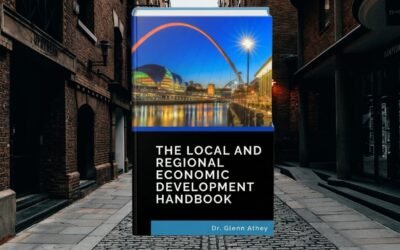
The Local and Regional Economic Development Handbook (www.lredhandbook.com ) is structured and written as an economic developer would think about their world, their professional discipline and how they work.
Here’s what the economic development job actually covers:
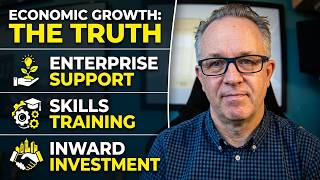
→ Enterprise & entrepreneurship — helping local businesses start, scale, and innovate
→ Inward investment — attracting external firms AND embedding them so they stay
→ Skills & employment — aligning workforce capabilities with what the economy actually needs
→ Innovation ecosystems — turning R&D into products, services, and jobs
→ Place & infrastructure — the physical environment that makes locations work for businesses and people
→ Inclusion & poverty reduction — making sure growth doesn’t just benefit those already winning
→ Climate transition — reshaping local economies for a net zero future
Seven distinct activity areas. Most requiring different partnerships, different metrics, different expertise.
Yet economic development teams are routinely understaffed, under-resourced, and judged by a single metric: how many companies did you attract this year?
The core insight I keep returning to after 32 years: places don’t prosper by accident. They prosper because someone made an informed decision, built the right partnership, or designed a programme that actually worked.
My new handbook covers every one of these areas — not theory, but practical guidance for practitioners doing this work daily.
Watch the Youtube video about this in the link.
#EconomicDevelopment #RegionalDevelopment #LocalEconomy #PlaceLeadership #EconDev